
Disclosure: We earn commissions on purchases made through our links. This never influences our scores. Editorial policy
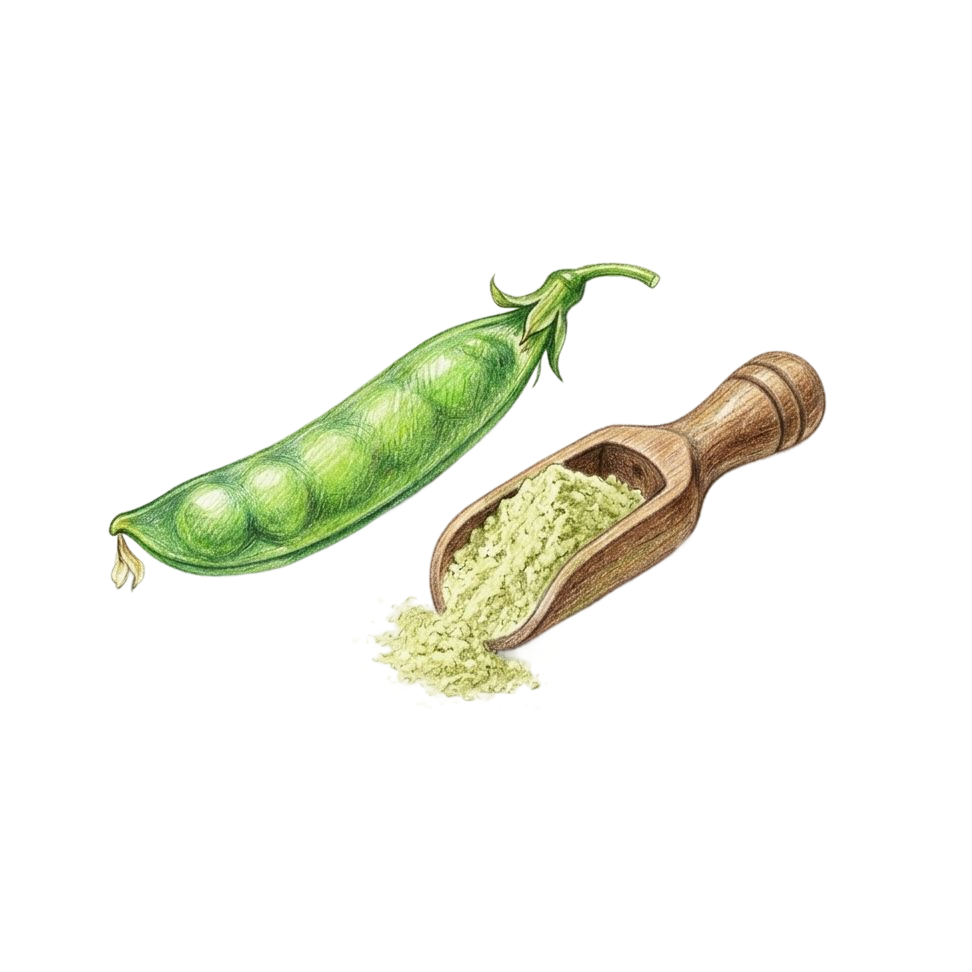
Plant Protein Blend
Plant protein blends can match whey for muscle building when the dose is high enough.
- Evidence
- Likely Effective
- Category
- Protein & Amino Acids
- Best form
- Pea and Brown Rice Blend (complementary amino acid profile)
- Effective dose
- 25-40g of total protein per serving (yielding at least 2.5g of leucine)
- Lab tested
- 3 of 10 products
- Category
- Protein & Amino Acids
- Best form
- Pea and Brown Rice Blend (complementary amino acid profile)
- Effective dose
- 25-40g of total protein per serving (yielding at least 2.5g of leucine)
- Lab tested
- 3 of 10 products
What Is Plant Protein Blend?
Plant protein blends can match whey for muscle building when the dose is high enough. The key insight: plant proteins need to deliver about 2.5g of leucine (the amino acid that triggers muscle growth), which typically requires 30g or more of plant protein compared to 20-25g of whey.
Reviews comparing plant and animal protein confirm that when doses are matched for leucine content, plant-based sources stimulate muscle protein synthesis equivalently to whey. This validates plant protein blends as effective sports nutrition. However, single-source plant proteins have limiting amino acids, which is why blends that combine complementary sources perform better.
Pea protein is high in lysine but low in methionine, while rice protein has the opposite profile. Together they approximate whey's amino acid composition. Research shows blended plant protein effectively supports muscle recovery and growth during resistance training programs.
The practical takeaway: most plant proteins require a higher dose per serving (30g+ versus 20-25g for whey) to match muscle-building stimulation. Products providing less than 25g per serving are technically underdosed for optimal results.
Does It Work? The Evidence
Stimulates muscle protein synthesis equivalently to whey when leucine matched
SupportedSystematic review (PMID: 31817691): plant proteins match whey for MPS when leucine content is equivalent; requires 30g+ dose to reach 2.5g leucine threshold
Supports muscle recovery and hypertrophy during resistance training
SupportedBanaszek et al. 2019 (PMID: 33670701): blended plant protein sources effectively support recovery and hypertrophy; complementary amino acid profiles counteract single-source limitations
| Claimed Benefit | Key Studies | Our Verdict |
|---|---|---|
| Stimulates muscle protein synthesis equivalently to whey when leucine matched | Systematic review (PMID: 31817691): plant proteins match whey for MPS when leucine content is equivalent; requires 30g+ dose to reach 2.5g leucine threshold | Supported |
| Supports muscle recovery and hypertrophy during resistance training | Banaszek et al. 2019 (PMID: 33670701): blended plant protein sources effectively support recovery and hypertrophy; complementary amino acid profiles counteract single-source limitations | Supported |
How to Choose: Forms, Doses & What Matters
Clinical dose: 25-40g of total protein per serving (yielding at least 2.5g of leucine)
Best forms: Pea and Brown Rice Blend (complementary amino acid profile), Soy Protein Isolate, Pea, Pumpkin, and Hemp Blend
Consume post-workout to support muscle recovery, ideally within 1-2 hours of training. Aim for at least 25-30g of protein per serving to cross the leucine threshold for optimal muscle protein synthesis. If your product provides less than 25g, consider using 1.5 scoops. Blend with a leucine-rich source or BCAA supplement if using a lower-dose product. Can also be used as a meal replacement base alongside fats and carbohydrates.
Who Should Take Plant Protein Blend?
Vegans and vegetarians looking to increase dietary protein intake for muscle building or general health. Individuals with dairy allergies or lactose intolerance who cannot tolerate whey or casein. Those seeking environmentally sustainable protein sources without sacrificing efficacy.
Who Should Avoid It?
Individuals with severe soy or legume allergies, depending on the specific blend composition. Those sensitive to FODMAPs or prone to severe GI distress from peas, as pea protein isolate is the primary ingredient in most blends.
Side Effects & Safety
The most common side effects are bloating, gas, or mild gastrointestinal distress, particularly with pea-based blends. These symptoms often improve with continued use as the gut adapts. A more serious concern is potential heavy metal accumulation (particularly lead, arsenic, and cadmium) in products lacking rigorous third-party testing, as plant-based proteins can concentrate metals from soil.
Product Scores
10 products scored on dosing accuracy, third-party testing, cost per effective dose, and label transparency.
The Scorecard: 10 Products Compared
SPORT Organic Plant-Based Protein
Garden of LifeDual NSF and Informed Choice certification is the gold standard for quality, but proprietary blend hides individual protein source ratios
Prices checked 2026-03-31. Cost shown is per clinically effective daily dose, not per pill.
Plant Protein Complex
NOW Sports
Informed Choice certification adds quality assurance, but single serving is slightly underdosed for optimal MPS
Prices checked 2026-03-31. Cost shown is per clinically effective daily dose, not per pill.
Complete Protein
PlantFusion
Contains added BCAAs to complement the plant profile, but underdosed per single serving and lacks heavy metal certification
Prices checked 2026-03-31. Cost shown is per clinically effective daily dose, not per pill.
Veggie Elite Performance Protein
MRM Nutrition
Closest to the clinical threshold at 24g with added digestive enzymes (Digest-ALL), but still technically underdosed by strict clinical cutoffs
Prices checked 2026-03-31. Cost shown is per clinically effective daily dose, not per pill.
Organic Plant Based Protein Powder
Orgain
Very affordable and popular for taste, but underdosed per single serving and lacks third-party heavy metal testing
Prices checked 2026-03-31. Cost shown is per clinically effective daily dose, not per pill.
Organic Protein
Purely Inspired
Budget-friendly entry point but lacks GMP certification, third-party testing, and has only 16 servings per container
Prices checked 2026-03-31. Cost shown is per clinically effective daily dose, not per pill.
Warrior Blend Organic
Sunwarrior
Organic formulation with added MCTs from coconut, but highly underdosed at just 18g per serving requiring nearly 1.5 scoops to hit minimum thresholds
Prices checked 2026-03-31. Cost shown is per clinically effective daily dose, not per pill.
Organic Plant Protein
KOS
Diverse range of plant protein sources with added digestive enzymes, but underdosed and high calorie content relative to protein payload
Prices checked 2026-03-31. Cost shown is per clinically effective daily dose, not per pill.
Protein Superfood
Amazing Grass
Includes a greens and superfood blend but extremely low serving count (12 per tub) makes it the most expensive option per protein dose
Prices checked 2026-03-31. Cost shown is per clinically effective daily dose, not per pill.
Full Comparison
| Category | Vega Sport Premium Protein Vega | SPORT Organic Plant-Based Protein Garden of Life | Plant Protein Complex NOW Sports | Complete Protein PlantFusion | Veggie Elite Performance Protein MRM Nutrition | Organic Plant Based Protein Powder Orgain | Organic Protein Purely Inspired | Warrior Blend Organic Sunwarrior | Organic Plant Protein KOS | Protein Superfood Amazing Grass |
|---|---|---|---|---|---|---|---|---|---|---|
| Brand Score | 74/100Winner | 74/100 | 67/100 | 65/100 | 65/100 | 65/100 | 59/100 | 57/100 | 55/100 | 49/100 |
| Dosing & Form | 25/25Winner | 25/25 | 22/25 | 22/25 | 22/25 | 22/25 | 22/25 | 18/25 | 22/25 | 22/25 |
| Purity | 23/25Winner | 23/25 | 19/25 | 13/25 | 13/25 | 13/25 | 7/25 | 13/25 | 13/25 | 13/25 |
| Value | 19/25 | 19/25 | 19/25 | 23/25Winner | 23/25 | 23/25 | 23/25 | 19/25 | 13/25 | 7/25 |
| Transparency | 7/25Winner | 7/25 | 7/25 | 7/25 | 7/25 | 7/25 | 7/25 | 7/25 | 7/25 | 7/25 |
| Cost/Day | $1.92 | $2.10 | $2.08 | $1.43Winner | $1.46 | $1.61 | $1.56 | $2.08 | $2.21 | $3.54 |
| Dose/Serving | 30g | 30g | 22g | 21g | 24g | 21g | 20g | 18g | 20g | 20g |
| Form | Pea, Pumpkin Seed, Sunflower Seed, Alfalfa Protein Blend | Organic Pea, Sprouted Navy Bean, Sprouted Lentil Bean, Sprouted Garbanzo Bean, Cranberry Seed Protein | Pea, Hemp, and Quinoa Protein | Pea Protein Isolate, Artichoke, Sprouted Amaranth, Sprouted Quinoa, Whole Algae | Pea Protein Isolate, Brown Rice Protein | Organic Pea, Brown Rice, and Chia Seed Protein | Organic Pea Protein, Organic Brown Rice Protein | Organic Pea, Organic Hemp Seed, Organic Goji Berry | Organic Pea, Flax Seed, Quinoa, Pumpkin Seed, Chia Seed | Organic Pea, Organic Hemp, Organic Chia, Organic Quinoa |
| Third-Party Tested | ✓ Yes | ✓ Yes | ✓ Yes | No | No | No | No | No | No | No |
| Proprietary Blend | Yes | Yes | Yes | Yes | Yes | Yes | Yes | Yes | Yes | Yes |
Frequently Asked Questions
Is plant protein as effective as whey for building muscle?
Yes, when dosed correctly. Research shows that plant protein stimulates muscle protein synthesis equivalently to whey when leucine content is matched. The practical implication is that you need a higher total dose - typically 30-40g of plant protein to match the anabolic effect of 20-25g of whey. Look for blends combining complementary sources like pea and rice.
Why do plant protein blends use multiple protein sources?
Single plant proteins have limiting amino acids. Pea protein is low in methionine and cysteine, while rice protein is low in lysine. By blending complementary sources, manufacturers create a more complete amino acid profile that better approximates the composition of whey or animal proteins.
Should I be concerned about heavy metals in plant protein?
Yes, this is a legitimate concern. Plant-based proteins can concentrate heavy metals from soil. The Clean Label Project has found elevated levels of lead, arsenic, and cadmium in some popular plant protein products. Look for products with NSF Certified for Sport or similar third-party testing that includes heavy metal screening.
Why do almost all plant protein blends use proprietary blend ratios?
Unfortunately, nearly all plant protein blends hide the exact ratio of their protein sources behind proprietary blend designations. This means you cannot verify how much pea versus rice versus hemp protein is in the product. While the total protein per serving is disclosed, the amino acid profile could vary significantly depending on the ratio. This is a transparency issue across the entire category.
How much plant protein do I need per day for muscle building?
Research supports 1.6-2.2g of protein per kg of bodyweight per day for muscle building. Spread this across 3-4 meals with at least 25-30g of plant protein per meal. Plant protein supplements are most useful post-workout or when whole-food protein intake is insufficient.
Why is the taste and texture of plant protein different from whey?
Plant proteins have a grittier, earthier taste profile than whey due to the nature of the protein sources. Pea protein can taste chalky, while hemp has a distinctly earthy flavor. Manufacturers use sweeteners, flavors, and thickeners to improve palatability. Texture has improved significantly in recent years, but it remains a common complaint.
Sources
- Messina M, et al. No Difference Between the Effects of Supplementing With Soy Protein Versus Animal Protein on Gains in Muscle Mass and Strength in Response to Resistance Exercise. Int J Sport Nutr Exerc Metab. 2018;28(6):674-685.
- Joy JM, et al. The effects of 8 weeks of whey or rice protein supplementation on body composition and exercise performance. Nutr J. 2013;12:86.
- Banaszek A, et al. The Effects of Whey vs. Pea Protein on Physical Adaptations Following 8-Weeks of High-Intensity Functional Training (HIFT): A Pilot Study. Sports. 2019;7(1):12.
- van Vliet S, et al. The Skeletal Muscle Anabolic Response to Plant- versus Animal-Based Protein Consumption. J Nutr. 2015;145(9):1981-91.
FDA Disclaimer: These statements have not been evaluated by the Food and Drug Administration. The products discussed on this page are not intended to diagnose, treat, cure, or prevent any disease. Always consult with a qualified healthcare professional before starting any supplement regimen.