
Disclosure: We earn commissions on purchases made through our links. This never influences our scores. Editorial policy
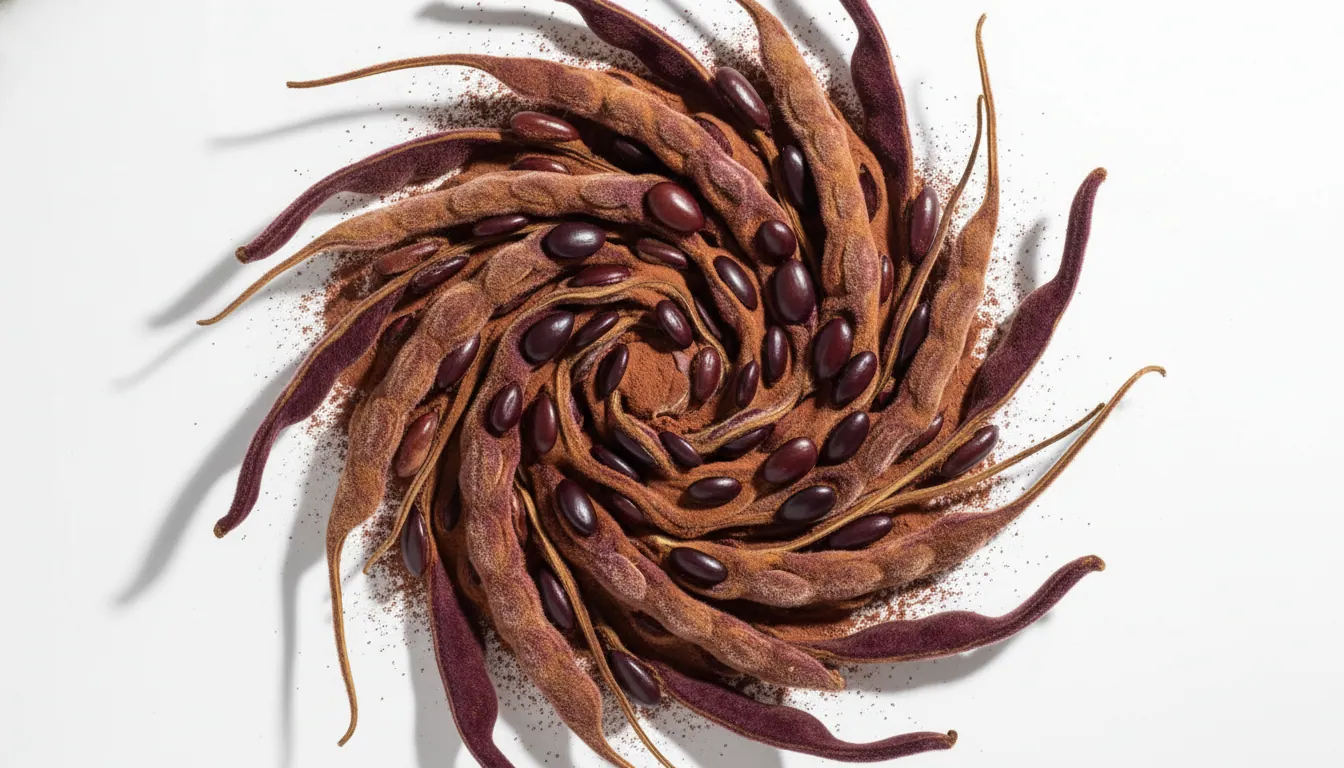
Mucuna Pruriens
Bottom line
In our scoring, Mucuna Pruriens rates mixed evidence: the evidence is mixed for parkinson's disease motor symptoms. Our top-scored product is DOPA Mucuna 800mg (15% L-DOPA), 90 caps (85/100), about $0.13 a day at a clinical dose of 200-1000mg daily of a standardized extract. Bottom line: promising but not settled, so manage expectations. This is our opinion, not medical advice; talk to your clinician before starting.
Mucuna pruriens is not a typical herbal supplement.
- Evidence
- Mixed Evidence
- Category
- Cognitive & Nootropics
- Best form
- HP-200 / Zandopa (the branded mucuna formulation used in Parkinson's trials, ~3.5-6% L-DOPA, medical use only)
- Effective dose
- 200-1000mg daily of a standardized extract (15-30% L-DOPA), or 5g/day of seed powder for fertility studies. PD trials use 15-30g of HP-200 powder under medical supervision.
- Lab tested
- 5 of 10 products
- Category
- Cognitive & Nootropics
- Best form
- HP-200 / Zandopa (the branded mucuna formulation used in Parkinson's trials, ~3.5-6% L-DOPA, medical use only)
- Effective dose
- 200-1000mg daily of a standardized extract (15-30% L-DOPA), or 5g/day of seed powder for fertility studies. PD trials use 15-30g of HP-200 powder under medical supervision.
- Lab tested
- 5 of 10 products
Key takeaways
- →Mucuna is essentially plant-derived L-DOPA, the same drug used for Parkinson's disease. Treat it as a dopaminergic medication, not a benign herb.
- →The strong evidence is in Parkinson's patients under medical supervision. Use in healthy adults for mood, libido, or focus is not backed by quality trials.
- →If you use it, pick a standardized extract that lists L-DOPA percentage. Whole-bean powder varies wildly batch to batch.
- →Avoid daily long-term use, combining with levodopa or MAOIs, or taking it without medical input if you have any cardiac, psychiatric, or melanoma history.
What Is Mucuna Pruriens?
Mucuna pruriens is not a typical herbal supplement. It contains L-DOPA (levodopa), the same molecule used as a prescription drug for Parkinson's disease. Treat it like a low-dose dopamine drug because that is what it is. The strongest data is in Parkinson's patients, where mucuna preparations match or beat synthetic levodopa on motor symptoms with a faster onset and fewer dyskinesias. Outside that population the evidence shrinks fast: a few small fertility trials, mechanistic dopamine arguments, and a lot of marketing.
The Katzenschlager 2004 trial in J Neurol Neurosurg Psychiatry was the proof-of-concept. Eight Parkinson's patients on a randomized crossover compared 30g of mucuna seed powder to standard 200/50mg levodopa/carbidopa. Mucuna had a faster onset (34 vs 68 minutes), 21.9% longer "on" time, and peak L-DOPA plasma levels 110% higher. Crucially, dyskinesias did not increase. The 2017 Cilia Neurology trial replicated the result in a larger crossover and concluded mucuna was noninferior to levodopa/benserazide with fewer adverse events. Manyam's 2004 animal work in Phytotherapy Research suggests the whole-bean preparation has neuroprotective effects beyond pure L-DOPA, possibly from co-occurring NADH and CoQ10. This is real, replicated evidence, but it is in Parkinson's patients on medical supervision, not healthy adults seeking a "dopamine boost."
The fertility data is smaller and one research group dominates it. Shukla 2009 in Fertility and Sterility gave 5g/day of mucuna seed powder to infertile men for 3 months and reported improved sperm count, motility, testosterone, LH, and dopamine levels with reduced FSH and prolactin. A follow-up Shukla 2010 paper in Evidence-Based Complementary and Alternative Medicine added cortisol reduction to the picture in 60 stressed infertile men. These are interesting, biologically plausible signals (L-DOPA suppresses prolactin, which can disinhibit testosterone), but they come from one group, in one population (infertile Indian men), and have not been replicated by independent labs in healthy men.
For healthy adults using mucuna as a nootropic or "natural dopamine," there are essentially zero quality trials. Chronic supraphysiological L-DOPA exposure is the same pharmacology that causes problems in Parkinson's patients over years, including dyskinesias, impulse control disorders, and dopamine dysregulation syndrome. Daily use in healthy people for months or years is unstudied, and animal data on dopamine receptor downregulation with chronic L-DOPA is real even if the human translation is unclear. If you use it, intermittent low-dose use of a standardized extract is the only defensible approach, and you should know exactly how much L-DOPA you are taking. Unstandardized whole-bean powder can vary 5-fold in L-DOPA content batch to batch.
Does It Work? The Evidence
How A-F grades workMucuna Pruriens earns a Mixed Evidence rating: the research is suggestive but not settled. Its best-supported use so far is parkinson's disease motor symptoms (grade A), but the evidence across claims is mixed - each is graded on its own below.
Parkinson's disease motor symptoms
Katzenschlager 2004 J Neurol Neurosurg Psychiatry crossover (n=8): mucuna 30g vs LD/CD 200/50mg, faster onset and longer 'on' time without more dyskinesias; Cilia 2017 Neurology RCT crossover: mucuna noninferior to levodopa/benserazide with fewer adverse events
Male fertility (sperm count, motility) in infertile men
Shukla 2009 Fertility and Sterility: 5g/day seed powder for 3 months improved sperm count, motility, testosterone, LH; Shukla 2010 Evid Based Complement Alternat Med (n=60 stressed infertile men): improved semen quality and reduced cortisol. Single-group studies, not replicated independently.
Testosterone in subfertile men
Shukla 2009: T and LH increased, FSH and prolactin decreased after 3 months. Effect plausibly driven by L-DOPA suppression of prolactin. Not replicated outside this research group and not shown in healthy men.
Libido and erectile function
Mechanistic only: dopamine and prolactin suppression are plausible drivers, but no controlled trials in men with sexual dysfunction. Most claims are extrapolation.
Mood and depression
No controlled trials in clinically depressed adults. Mechanistic dopamine argument only. Marketing claims outrun the data.
Cognitive enhancement / nootropic use in healthy adults
Zero quality RCTs in healthy adults. The Parkinson's data does not transfer to people with intact dopamine systems. Chronic supraphysiological L-DOPA in healthy users is unstudied for safety or efficacy.
| Grade | Claimed Benefit | Key Studies | Our Verdict |
|---|---|---|---|
| A | Parkinson's disease motor symptoms | Katzenschlager 2004 J Neurol Neurosurg Psychiatry crossover (n=8): mucuna 30g vs LD/CD 200/50mg, faster onset and longer 'on' time without more dyskinesias; Cilia 2017 Neurology RCT crossover: mucuna noninferior to levodopa/benserazide with fewer adverse events | Supported |
| C | Male fertility (sperm count, motility) in infertile men | Shukla 2009 Fertility and Sterility: 5g/day seed powder for 3 months improved sperm count, motility, testosterone, LH; Shukla 2010 Evid Based Complement Alternat Med (n=60 stressed infertile men): improved semen quality and reduced cortisol. Single-group studies, not replicated independently. | Early Signal |
| C | Testosterone in subfertile men | Shukla 2009: T and LH increased, FSH and prolactin decreased after 3 months. Effect plausibly driven by L-DOPA suppression of prolactin. Not replicated outside this research group and not shown in healthy men. | Early Signal |
| D | Libido and erectile function | Mechanistic only: dopamine and prolactin suppression are plausible drivers, but no controlled trials in men with sexual dysfunction. Most claims are extrapolation. | Not There Yet |
| D | Mood and depression | No controlled trials in clinically depressed adults. Mechanistic dopamine argument only. Marketing claims outrun the data. | Not There Yet |
| F | Cognitive enhancement / nootropic use in healthy adults | Zero quality RCTs in healthy adults. The Parkinson's data does not transfer to people with intact dopamine systems. Chronic supraphysiological L-DOPA in healthy users is unstudied for safety or efficacy. | Not There Yet |
Mucuna Pruriens Dosage: How Much to Take
Mucuna Pruriens dosage, in one line: the evidence-supported range is 200-1000mg daily of a standardized extract (15-30% L-DOPA), or 5g/day of seed powder for fertility studies. PD trials use 15-30g of HP-200 powder under medical supervision.
Clinical dose: 200-1000mg daily of a standardized extract (15-30% L-DOPA), or 5g/day of seed powder for fertility studies. PD trials use 15-30g of HP-200 powder under medical supervision.
Best forms: HP-200 / Zandopa (the branded mucuna formulation used in Parkinson's trials, ~3.5-6% L-DOPA, medical use only), Standardized seed extract, 15% L-DOPA (NOW Foods, Source Naturals, Solaray), Standardized seed extract, 20-30% L-DOPA (more drug-like, easier to overshoot), Whole velvet bean seed powder (variable L-DOPA content, 3-6% typical)
Parkinson's patients should only use mucuna in coordination with their neurologist, with dosing typically titrated against existing levodopa therapy. For healthy adults who choose to experiment despite the limited evidence, start with the lowest dose of a standardized extract that discloses L-DOPA percentage. A 200mg cap of 15% L-DOPA gives 30mg L-DOPA per dose, well below pharmaceutical levodopa starting doses. Take on an empty stomach away from high-protein meals (protein and B6 reduce absorption). Use intermittently rather than daily to reduce theoretical receptor downregulation risk; many users cycle 5 days on, 2 days off, or use only on demand. Do not stack with other dopaminergics (tyrosine megadoses, selegiline, prescription stimulants). If you notice nausea, dizziness, racing heart, or anxiety, stop and reconsider whether this fits your physiology.
Who Should Take Mucuna Pruriens?
This profile is for adults who understand they are taking a dopaminergic compound, not a typical herb. Use under medical supervision is appropriate for Parkinson's patients who want to discuss mucuna with their neurologist as an L-DOPA source. Outside Parkinson's, there is no population for whom evidence supports daily long-term use. Some adults experiment with intermittent low-dose standardized extract for mood or libido, but the risk-benefit is unproven and the right answer for most healthy people is to skip it and use better-evidenced options like ashwagandha for stress or rhodiola for fatigue.
Who Should Avoid It?
Not for everyone
Side Effects & Safety
Product Scores
10 products scored on dosing accuracy, third-party testing, cost per effective dose, and label transparency.
The Scorecard: 10 Products Compared
DOPA Mucuna 800mg (15% L-DOPA), 180 caps
NOW Foods$19.99 ÷ 182 days at 800mg/day (1 serving × 800mg)
Buying the 180-count NOW bottle is the cheapest legitimate way to get standardized mucuna L-DOPA in the US
Prices checked 2026-06-12. Cost shown is per clinically effective daily dose, not per pill.
DOPA Mucuna 800mg (15% L-DOPA), 90 caps
NOW Foods$11.60 ÷ 89 days at 800mg/day (1 serving × 800mg)
The most widely available standardized mucuna in the US and the closest thing to a default pick, with NOW's typical clean labeling
Prices checked 2026-06-12. Cost shown is per clinically effective daily dose, not per pill.
Mucuna Pruriens Extract 1000mg (20% L-DOPA), 210 caps
Double Wood Supplements$19.95 ÷ 199 days at 500mg/day (1 serving × 500mg)
Double Wood's COA practice is unusual in this category; if you want documentation behind the L-DOPA percentage this is the best transparency option
Prices checked 2026-06-12. Cost shown is per clinically effective daily dose, not per pill.
DopaBean 333mg (15% L-DOPA, enteric-coated)
Solaray
$18.99 ÷ 59 days at 333mg/day (1 serving × 333mg)
The enteric coating is uncommon in mucuna products and may help if you have GI sensitivity to L-DOPA
Prices checked 2026-04-27. Cost shown is per clinically effective daily dose, not per pill.
Mucuna Dopa 100mg, 120 caps
Source Naturals
$12.50 ÷ 125 days at 100mg/day (1 serving × 100mg)
Source Naturals is one of the few brands that puts strong cautionary language about MAOIs and melanoma directly on the bottle
Prices checked 2026-04-27. Cost shown is per clinically effective daily dose, not per pill.
Mucuna Pruriens (Kapikacchu) 90 tablets
Banyan Botanicals
$26.99 ÷ 90 days at 500mg/day (1 serving × 500mg)
Best traditional Ayurvedic mucuna option; pick this if you specifically want a whole-herb preparation rather than a quantified L-DOPA dose
Prices checked 2026-04-27. Cost shown is per clinically effective daily dose, not per pill.
Organic Mucuna 600mg, 60 caplets
Himalaya
$18.95 ÷ 59 days at 600mg/day (1 serving × 600mg)
Best choice if your goal is a traditional Ayurvedic preparation rather than a known L-DOPA dose; do not expect the standardized-extract pharmacology from this format
Prices checked 2026-04-27. Cost shown is per clinically effective daily dose, not per pill.
Mucuna Pruriens 400mg, 120 caps
Nutricost$14.95 ÷ 115 days at 400mg/day (1 serving × 400mg)
Cheap and clean-labeled by Nutricost standards, but the missing L-DOPA percentage makes this a worse choice than the standardized NOW or Solaray products at similar price
Prices checked 2026-04-27. Cost shown is per clinically effective daily dose, not per pill.
Kapikacchu Powder 1/2 lb (227g)
Banyan Botanicals
$25.99 ÷ 45 days at 5000mg/day (1 serving × 5000mg)
Powder format if you want to take larger gram doses for fertility-style protocols; recognize the L-DOPA content is variable
Prices checked 2026-04-27. Cost shown is per clinically effective daily dose, not per pill.
Mucuna Pruriens Extract Powder, 500g
BulkSupplements
$29.96 ÷ 999 days at 500mg/day (1 serving × 500mg)
Use only if you already know your dose and want the cheapest per-gram option; do not use this as your first mucuna product
Prices checked 2026-04-27. Cost shown is per clinically effective daily dose, not per pill.
Full Comparison
| Category | DOPA Mucuna 800mg (15% L-DOPA), 180 caps NOW Foods | DOPA Mucuna 800mg (15% L-DOPA), 90 caps NOW Foods | Mucuna Pruriens Extract 1000mg (20% L-DOPA), 210 caps Double Wood Supplements | DopaBean 333mg (15% L-DOPA, enteric-coated) Solaray | Mucuna Dopa 100mg, 120 caps Source Naturals | Mucuna Pruriens (Kapikacchu) 90 tablets Banyan Botanicals | Organic Mucuna 600mg, 60 caplets Himalaya | Mucuna Pruriens 400mg, 120 caps Nutricost | Kapikacchu Powder 1/2 lb (227g) Banyan Botanicals | Mucuna Pruriens Extract Powder, 500g BulkSupplements |
|---|---|---|---|---|---|---|---|---|---|---|
| Brand Score | 86/100Winner | 85/100 | 84/100 | 83/100 | 78/100 | 73/100 | 71/100 | 70/100 | 70/100 | 68/100 |
| Dosing & Form | 22/25Winner | 22/25 | 22/25 | 22/25 | 19/25 | 17/25 | 17/25 | 17/25 | 14/25 | 14/25 |
| Purity | 19/25 | 19/25 | 21/25Winner | 19/25 | 17/25 | 20/25 | 19/25 | 17/25 | 20/25 | 19/25 |
| Value | 25/25Winner | 24/25 | 21/25 | 19/25 | 19/25 | 13/25 | 16/25 | 23/25 | 16/25 | 22/25 |
| Transparency | 20/25 | 20/25 | 20/25 | 23/25Winner | 23/25 | 23/25 | 19/25 | 13/25 | 20/25 | 13/25 |
| Cost/Day | $0.11 | $0.13 | $0.10 | $0.32 | $0.10 | $0.30 | $0.32 | $0.13 | $0.58 | $0.03Winner |
| Price checked | 2026-06-12 | 2026-06-12 | 2026-06-12 | 2026-04-27 | 2026-04-27 | 2026-04-27 | 2026-04-27 | 2026-04-27 | 2026-04-27 | 2026-04-27 |
| Dose/Serving | 800mg | 800mg | 500mg | 333mg | 100mg | 500mg | 600mg | 400mg | 5000mg | 500mg |
| Form | Standardized seed extract (15% L-DOPA = ~120mg L-DOPA per capsule) | Standardized seed extract (15% L-DOPA = ~120mg L-DOPA per capsule) | Seed extract standardized to 20% L-DOPA (~100mg L-DOPA per capsule) | Enteric-coated seed extract (15% L-DOPA, ~50mg L-DOPA per cap, plus 5mg alpha-galactosidase) | Seed extract standardized to natural L-DOPA | Organic mucuna seed tablet (whole-herb, no L-DOPA standardization) | Organic whole-herb caplet (stem powder + supercritical extract, no L-DOPA standardization) | Mucuna pruriens seed (no L-DOPA standardization disclosed) | Organic mucuna seed powder (whole-herb, no L-DOPA standardization) | Mucuna pruriens extract powder (no L-DOPA standardization disclosed) |
| Third-Party Tested | No | No | ✓ Yes | No | No | ✓ Yes | No | ✓ Yes | ✓ Yes | ✓ Yes |
| Proprietary Blend | No | No | No | No | No | No | No | No | No | No |
Product prices and availability are accurate as of the date indicated and are subject to change. Any price and availability information displayed on Amazon.com at the time of purchase will apply.
Frequently Asked Questions
Is mucuna pruriens just L-DOPA in plant form?
Largely yes. The active ingredient driving most of mucuna's effects is L-DOPA (levodopa), the same molecule used as a prescription Parkinson's drug. Whole seed preparations contain other compounds (NADH, CoQ10, beta-carbolines, serotonin precursors) that may add neuroprotective effects in animal models, but the dominant pharmacology in humans is L-DOPA. If you would not casually take a low dose of prescription levodopa, you should think carefully before taking mucuna.
Is mucuna safe for healthy people to take long-term?
Honestly, we don't know. There are no long-term safety trials in healthy adults. The long-term concerns from Parkinson's pharmacology (dyskinesias, impulse control disorders, dopamine dysregulation, receptor downregulation) are dose- and time-dependent, and chronic daily use of supraphysiological L-DOPA in healthy people sits in a research gap. Intermittent low-dose use of a standardized extract is the most defensible approach if you choose to use it at all.
Should I take mucuna with carbidopa like prescription levodopa?
Carbidopa blocks peripheral L-DOPA breakdown so more reaches the brain, which is why it is paired with prescription levodopa. Mucuna preparations do not contain carbidopa, so peripheral side effects (nausea, blood pressure changes) can be more pronounced for the same dose of L-DOPA. Combining mucuna with prescription carbidopa is a medical decision and should only happen with a neurologist's input, not as DIY supplementation.
How honest is the male fertility evidence?
It exists and it is biologically plausible (L-DOPA suppresses prolactin, which can disinhibit testosterone), but it is thin. The main trials come from one research group (Shukla and colleagues), one population (infertile Indian men), and have not been replicated independently. There is no quality evidence that mucuna improves fertility, testosterone, or libido in healthy men. The marketing has run far ahead of the data.
Why does L-DOPA percentage matter on the label?
It is the only honest way to compare products. A 1000mg capsule of unstandardized seed powder might contain 30-60mg of L-DOPA. A 200mg capsule of 15% standardized extract contains 30mg of L-DOPA. A 500mg capsule of 30% extract contains 150mg, which is approaching pharmacological doses. Without the percentage, you have no idea what you are taking. Skip any product that lists 'velvet bean extract' without a standardization figure.
Will I build tolerance or downregulate dopamine receptors?
Tolerance is well-documented in Parkinson's patients on chronic levodopa. Whether the same applies to healthy people taking lower doses of mucuna is not directly studied. Animal data on chronic high-dose L-DOPA shows receptor changes. The conservative approach is to avoid daily use, cycle off regularly, and treat mucuna as occasional use rather than a daily stack ingredient.
Can I use mucuna for Parkinson's disease instead of prescription levodopa?
Not as a self-managed substitution. The trials that show mucuna works for Parkinson's were run with patients under neurologist supervision, with dose titration and monitoring. Switching from a tightly controlled levodopa/carbidopa regimen to a variably-standardized supplement on your own is dangerous. Talk to your neurologist if you want to discuss mucuna as a complement or alternative.
What is the right Mucuna Pruriens dosage?
The evidence-supported range is 200-1000mg daily of a standardized extract (15-30% L-DOPA), or 5g/day of seed powder for fertility studies. PD trials use 15-30g of HP-200 powder under medical supervision. Parkinson's patients should only use mucuna in coordination with their neurologist, with dosing typically titrated against existing levodopa therapy. See the dosage section above for timing and form details, and talk to your clinician about the right dose for you.
Head-to-Head Comparisons
Sources
- Katzenschlager R, Evans A, Manson A, et al. Mucuna pruriens in Parkinson's disease: a double blind clinical and pharmacological study. J Neurol Neurosurg Psychiatry. 2004;75(12):1672-7.
- Cilia R, Laguna J, Cassani E, et al. Mucuna pruriens in Parkinson disease: A double-blind, randomized, controlled, crossover study. Neurology. 2017;89(5):432-438.
- Manyam BV, Dhanasekaran M, Hare TA. Neuroprotective effects of the antiparkinson drug Mucuna pruriens. Phytother Res. 2004;18(9):706-12.
- Shukla KK, Mahdi AA, Ahmad MK, et al. Mucuna pruriens improves male fertility by its action on the hypothalamus-pituitary-gonadal axis. Fertil Steril. 2009;92(6):1934-40.
- Shukla KK, Mahdi AA, Ahmad MK, et al. Mucuna pruriens reduces stress and improves the quality of semen in infertile men. Evid Based Complement Alternat Med. 2010;7(1):137-44.
- NIH National Center for Complementary and Integrative Health. Velvet Bean (Mucuna pruriens) overview.
Scores and tiers are our independent opinion, formed by applying a published rubric to label data, third-party certifications, and the research record. They are not statements of objective fact about a product and not a lab test. Where we report a brand-specific fact, it comes from a cited source or a public certification; where verification is missing, we say so rather than assume a result.
FDA Disclaimer: These statements have not been evaluated by the Food and Drug Administration. Dietary supplements are not intended to diagnose, treat, cure, or prevent any disease. Always consult with a qualified healthcare professional before starting any supplement regimen.