
Disclosure: We earn commissions on purchases made through our links. This never influences our scores. Editorial policy
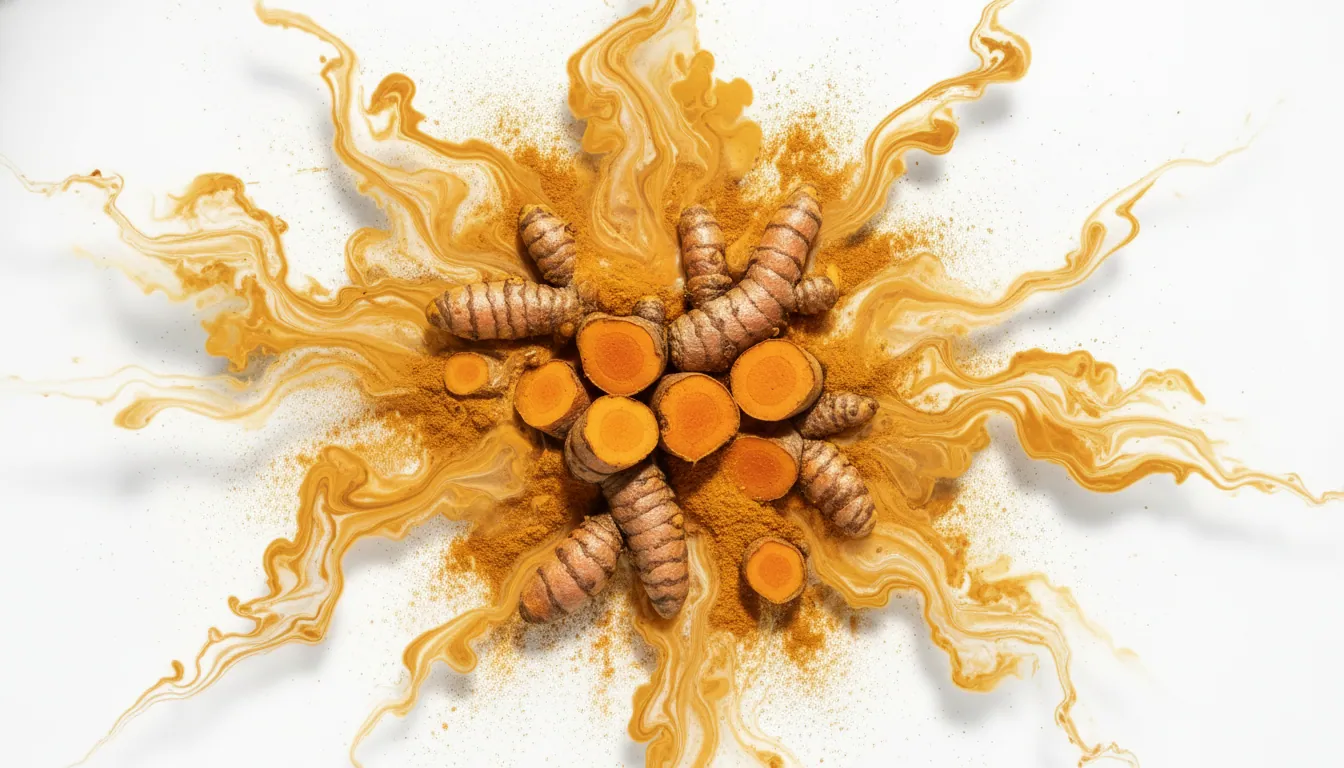
Best Supplements for Joint Comfort & Mobility (2026)
Clinical dose: 500-1,500mg curcumin daily; must use enhanced-bioavailability form (phospholipid complex or piperine) - standard curcumin absorbs poorly
Bottom line
In our scoring, Turmeric / Curcumin rates mixed evidence: the evidence is mixed for joint pain and osteoarthritis. Our top-scored product is CurcuBrain 400mg Curcumin (Longvida) (87/100), about $0.37 a day at a clinical dose of 500-1,500mg curcumin daily. Bottom line: promising but not settled, so manage expectations. This is our opinion, not medical advice; talk to your clinician before starting.
Our Top Picks
CurcuBrain 400mg Curcumin (Longvida)
$0.37/day at effective dose
Price checked 2026-08-09
Nutricost Turmeric Curcumin with BioPerine 2300mg
$0.21/day at effective dose
Price checked 2026-06-06
We earn commissions on purchases made through our links. This never influences our scores or recommendations. See our editorial policy.
Related guides and head-to-heads
What to know first
The joint-pain aisle is enormous, but the evidence really only points to a few compounds. In multiple RCTs, curcumin (in an absorption-enhanced form) performed comparably to NSAIDs for knee osteoarthritis pain. UC-II (undenatured type II collagen) at 40mg daily has its own evidence for joint comfort, working through the immune system rather than as a building block.
Glucosamine and chondroitin are a mixed bag - older studies looked good, but bigger recent trials have been less convincing. We scored the options on current evidence quality. For the collagen side specifically, see our collagen peptides research guide.
Joint pain is largely inflammation-driven, so see our broader best supplements for inflammation guide for the full anti-inflammatory lineup.
The Verdict
For joint comfort, curcumin (from turmeric) is the botanical with the most supporting research, and absorption is the whole challenge: plain turmeric is barely absorbed, so the formulation matters more than the milligram count. Thorne Meriva SF, a phytosome (Meriva) form with third-party testing, scores highest but is currently unavailable, so the best buyable pick is NOW Foods CurcuBrain, a Longvida curcumin at roughly $0.31 a day. Doctor's Best High Absorption Curcumin pairs the Curcumin C3 Complex with BioPerine at about $0.60 a day at the studied 1,000mg dose, effectively the same cost, but we found no independent verification of its purity.
The best value with verified testing is Nutricost Turmeric Curcumin with BioPerine at about $0.21 a day. Choose a branded, absorption-enhanced extract (C3 Complex, Meriva, or Longvida), give it four to eight weeks, and expect gradual support rather than acute relief.
What the Evidence Says About Turmeric / Curcumin
How A-F grades work- BJoint pain and osteoarthritis
- BReduction of systemic inflammation (CRP)
- CDepression and mood symptoms
- CExercise-induced muscle damage and recovery
- DCancer prevention or treatment
- CCardiovascular risk reduction
A = strong RCT evidence · B = moderate · C = limited · D = weak · F = no evidence.
Detailed Reviews
Meriva SF (Soy-Free) Curcumin Phytosome
Meriva Curcumin Phytosome (phospholipid-bound, soy-free) | 500mg/serving | 60 servings
Price checked 2026-06-30
NSF Certified for Sport makes this the top choice for athletes and anyone who demands the highest third-party verification standard. Soy-free Meriva is a meaningful upgrade for people with soy sensitivities.
CurcuBrain 400mg Curcumin (Longvida)
Longvida Optimized Curcumin (solid lipid particle technology) | 400mg/serving | 50 servings
Price checked 2026-08-09
Longvida was developed with brain bioavailability specifically in mind - free curcumin (not conjugated metabolites) is detected in human plasma at meaningful levels, suggesting better CNS delivery. A good choice if cognitive or mood benefits are the goal.
Nutricost Turmeric Curcumin with BioPerine 2300mg
turmeric extract 95% curcuminoids + BioPerine capsule | 767mg/serving | 40 servings
Price checked 2026-06-06
High-dose budget option with good testing transparency. The lack of a branded curcuminoid ingredient (like C3 Complex) means the evidence base is less direct, but the 95% standardization and BioPerine inclusion are sound formulation choices.
Also Scored
Turmeric Curcumin C3 Complex with BioPerine 500mg
$0.34/day | C3 Complex Curcuminoids 95% + BioPerine in coconut oil softgel
Price checked 2026-06-06
Full score breakdownSuper Bio-Curcumin (BCM-95)
$0.44/day | BCM-95 Curcumin Complex (curcumin + turmeric essential oil)
Price checked 2026-08-09
Full score breakdownCurcumin 95 (Curcuminoid Complex) 500mg
$0.33/day | Curcuminoid Extract (95% curcuminoids, no dedicated bioavailability enhancer)
Price checked 2026-06-30
Full score breakdownCurcumin Turmeric 2250mg with BioPerine
$0.36/day | vegan capsule; ~500mg curcuminoids (95% extract) per 3-cap serving plus BioPerine and organic ginger
Price checked 2026-08-09
Full score breakdownHigh Absorption Curcumin C3 Complex with BioPerine 1000mg
$0.60/day | C3 Complex Curcuminoids 95% + BioPerine
Price checked 2026-06-08
Full score breakdownTurmeric Curcumin 500mg
$0.11/day | Turmeric Extract (95% curcuminoids, no bioavailability enhancer)
Price checked 2026-06-06
Full score breakdownTurmeric Curcumin 1500mg with BioPerine
$0.67/day | capsule; 1500mg turmeric per 3-cap serving, of which 150mg is 95% extract (~143mg curcuminoids) plus 10mg BioPerine
Price checked 2026-06-06
Full score breakdownTurmeric Curcumin 1000mg (Ultra High Absorption)
$0.45/day | vegetarian capsule; 1000mg hydro-soluble turmeric complex per 2-cap serving at 18-22% curcuminoids (~180-220mg curcuminoids), no added BioPerine
Price checked 2026-08-09
Full score breakdownProduct prices and availability are accurate as of the date indicated and are subject to change. Any price and availability information displayed on Amazon.com at the time of purchase will apply.
What to Look For When Buying
- ✓Curcumin with bioavailability enhancement (Meriva, C3+BioPerine, Longvida) has the strongest evidence for joint pain - plain turmeric powder will not deliver therapeutic levels
- ✓UC-II collagen at exactly 40mg daily works via immune modulation, not as a building block - do not confuse with regular collagen peptides
- ✓Glucosamine sulfate at 1,500mg daily has the most evidence of the glucosamine forms, but results across studies are inconsistent
- ✓Omega-3 at high doses (2,000mg+ EPA+DHA) has anti-inflammatory effects that may benefit joint pain over time
- ✓Boswellia serrata (AKBA standardized) is an emerging option with several positive RCTs for osteoarthritis
- ✓Give joint supplements 4-8 weeks to show effects - they work through gradual anti-inflammatory mechanisms, not acute pain relief
Our #1 Pick
CurcuBrain 400mg Curcumin (Longvida)
Frequently Asked Questions
What is the difference between turmeric and curcumin?
Turmeric is the spice - the dried, ground root of Curcuma longa. Curcumin is the active polyphenol compound within turmeric responsible for most of its studied health effects. Turmeric powder contains only about 2-5% curcumin by weight. A typical 500mg turmeric powder capsule contains roughly 10-25mg of actual curcumin - far below the doses used in clinical trials. Look for products standardized to at least 95% curcuminoids (a combination of curcumin, bisdemethoxycurcumin, and demethoxycurcumin) using an enhanced delivery system.
Why does bioavailability matter so much with curcumin?
Raw curcumin has approximately 1% oral bioavailability - meaning if you swallow 1000mg, roughly 10mg makes it into your bloodstream. It is poorly soluble in water, rapidly metabolized in the gut and liver, and quickly eliminated. Enhanced delivery systems address this in different ways: piperine (from black pepper) inhibits the enzymes that break down curcumin; phospholipid complexes (like Meriva) improve gut absorption; lipid-particle technologies (like Longvida and CurcuWin) bypass aqueous solubility problems. Comparative studies show these forms achieving 7-46x higher blood concentrations than standard curcumin. This is not a minor detail - it is the difference between a supplement that does something and one that does not.
Can I just eat more turmeric in my food instead of taking supplements?
Dietary turmeric has real culinary value, but it will not replicate the doses used in clinical research. A teaspoon of turmeric powder contains roughly 200mg of turmeric with 4-10mg of curcumin. Most anti-inflammatory RCTs use 500-1500mg of curcuminoids per day - you would need to eat many tablespoons of turmeric powder daily to approach that dose, which is not practical. Cooking with turmeric is a healthy habit, but if you are targeting a specific health outcome that has clinical evidence, a standardized supplement is the appropriate approach.
Does curcumin interact with medications?
Yes, and this is worth taking seriously. Curcumin has mild blood-thinning effects that can compound with anticoagulants and antiplatelet drugs (warfarin, clopidogrel, aspirin). Piperine-containing formulations can increase absorption of many drugs by inhibiting cytochrome P450 enzymes and P-glycoprotein - if you take any prescription medication, this co-administration could push drug levels higher than intended. Curcumin may also lower blood sugar, which can interact with diabetes medications. Consult your doctor or pharmacist if you take any regular medications.
How long does it take for curcumin to work for joint pain?
Curcumin does not work like an NSAID - do not expect pain relief within hours or days. The clinical trials showing benefit for osteoarthritis typically ran for 8 weeks to 8 months, with most demonstrating significant improvements by week 8. Anti-inflammatory effects on circulating biomarkers like CRP may be measurable within 4 weeks in some studies. Give an enhanced-bioavailability curcumin product at least 8 weeks of consistent daily use before deciding whether it is helping.
Sources
FDA Disclaimer: These statements have not been evaluated by the Food and Drug Administration. Dietary supplements are not intended to diagnose, treat, cure, or prevent any disease. Always consult with a qualified healthcare professional before starting any supplement regimen.